Website rebuilds that fit a wider marketing service
Ross Mould uses Skelementor’s marketing components, blog layouts, and pop-ups to reduce repeated build work when his agency’s clients need a new website.

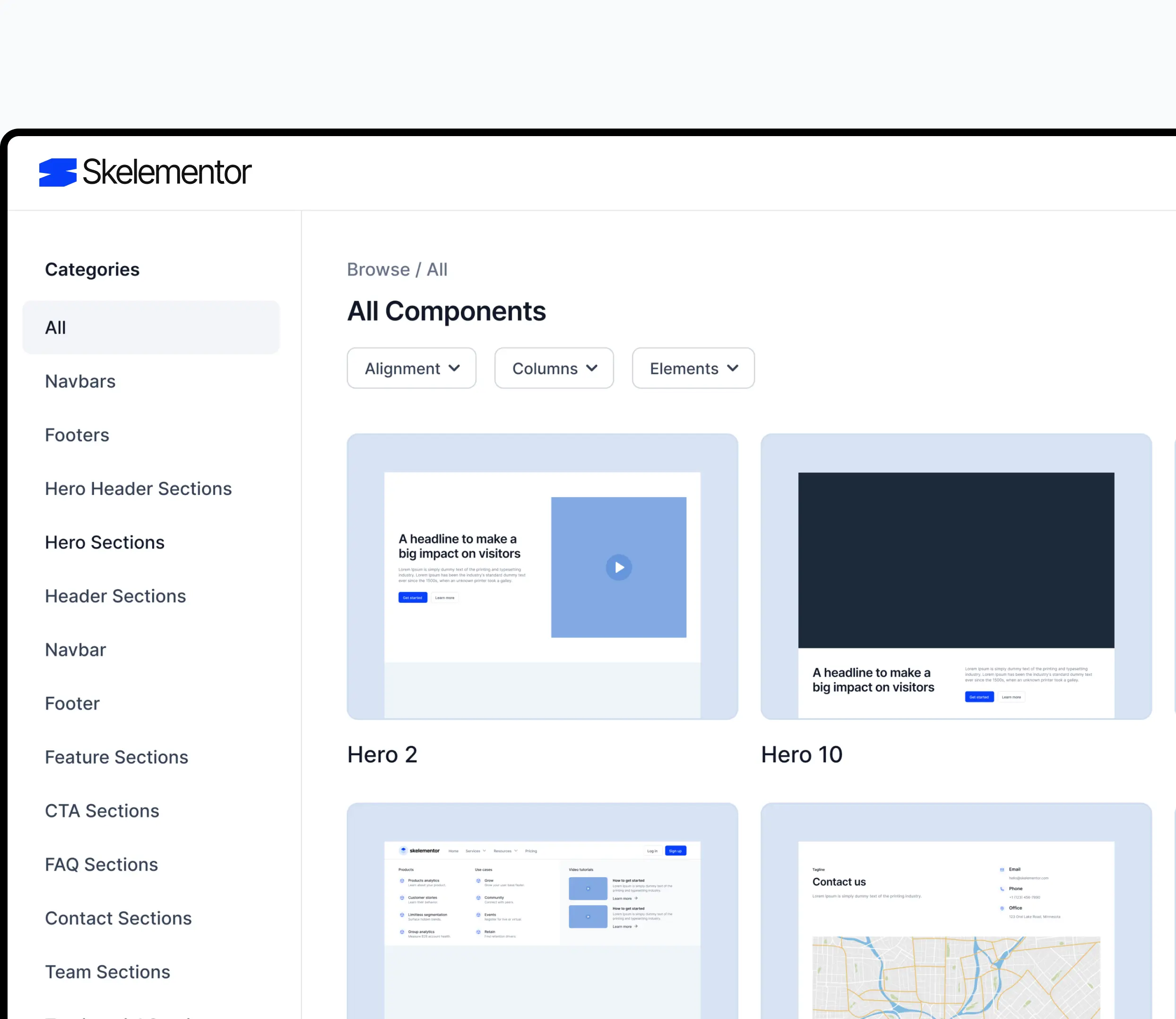
A marketing client may need more than a campaign. Sometimes the website is missing; sometimes the relationship with the current website provider has become a problem. Ross Mould's agency steps in to help, often by rebuilding the site in Elementor. Skelementor supports that part of a wider marketing service, giving an experienced builder reusable sections instead of another blank starting point. Ross especially values the marketing components, blog layouts, and pop-ups that fit the kinds of websites his clients need.
A marketing agency that also handles the website
Ross is based in Canada and describes a background that includes eight years in marketing at Microsoft. He wants to bring that experience to smaller businesses, helping them understand tools and strategies they might otherwise be unfamiliar with.
His agency works across social media, paid advertising, and websites. Real estate, retail, and professional services are important parts of its client base, although the work spans other industries too. Website projects grow out of those broader relationships. If a client needs a site or is having trouble with an existing partner, the agency can take responsibility for rebuilding it.
A search for a more efficient starting point
Ross had been building Elementor websites for five or six years by the time of the interview. Before that, he coded websites and built themes himself. He already considered his building process quick and efficient, but still saw value in reducing the repeated work involved in a site built from scratch.
That was what he was looking for when he found Skelementor: premade options that would save time and make the process easier. He tried the free version for about a week, checking how it worked and whether it suited the agency. He then chose a lifetime plan after seeing value in the components and the time they could save.
The requirement was practical. Website production sits alongside other marketing services, and the agency works with different kinds of businesses. A useful starting point needed to help with those builds while leaving room to implement the individual site properly.
Choose the parts that support the client’s next step
Ross identifies marketing components as particularly useful in the agency's work. He calls out building blogs for clients, where the available components help him get the page together quickly, and pop-ups as another useful part of the library. Those are concrete examples of how the selection fits a marketing agency's website work.
When the agency rebuilds a site, it generally moves the client to Elementor. Ross describes having built websites for real estate agents, dentists, retailers, service businesses, and software companies. That variety means the library's usefulness is spread across different briefs, rather than tied to a single industry template.
E-commerce is a smaller part of that picture. If a retail client wants to begin selling online, the agency helps. Ross says the e-commerce components have saved time with clients taking that step for the first time, but he is clear that most of the agency's website work is for service businesses. He sees hero sections as an especially relevant area for further additions.
The wider process remains hands-on. Ross sometimes uses AI to help with planning a sitemap or giving a client a rough visual example of a proposed page. He treats that as preparation: the team then builds the site properly, checks the CSS, verifies the links, and makes sure nothing is broken. Those planning tools sit alongside the section library, with the final implementation still receiving the team's attention.
Reuse also extends to keeping some templates on demo sites. Ross describes that existing habit when discussing a possible place to store reusable templates in the future. He would welcome a simpler arrangement, while the demo sites remain the method he describes actually using.
“I tend to be a little more handson in that department.”
Faster production within an experienced process
Ross estimates that Skelementor saves him around 40–50 percent of the time involved in building a website. That is his retrospective assessment, rather than a timed comparison of websites with the same requirements. He also describes the benefit more broadly as potentially saving hours when building from scratch.
What matters is that the gain comes inside a process he already knows well. He is not using the components to learn website building for the first time. They give him structures he can work with more quickly, especially in the marketing pages, blogs, and pop-ups he names as useful to the agency.
For the agency, that makes the library relevant whenever a broader marketing relationship leads to website work. Ross can draw on existing sections while applying the experience he brings to the project. The client's business still determines what needs to be built, and the finished site still needs checking before it is ready.
He also values the frequent arrival of new components. Asked what he wanted from the team, his main answer was to keep up that pace as Elementor develops. He wants the available library to continue growing with the tools he uses. His appreciation is rooted in that continuing supply of useful options: a resource he can return to when the next client's website needs a structure the team does not have to build from nothing.
Keep the reusable work connected to the brief
Ross's approach is useful for marketing teams that also deliver websites. Look at the sections the client needs, identify the repeated construction, and use relevant components to establish a starting point. A blog, a pop-up, and a service page can have different jobs within the same marketing relationship.
The next step remains the team's own work: shaping the page, checking its details, and making sure it serves the brief. Ross's experience shows how a component library can fit into that process even when the builder is already experienced. It reduces the amount of repeated setup while leaving the agency responsible for turning the chosen pieces into a working website for the client.