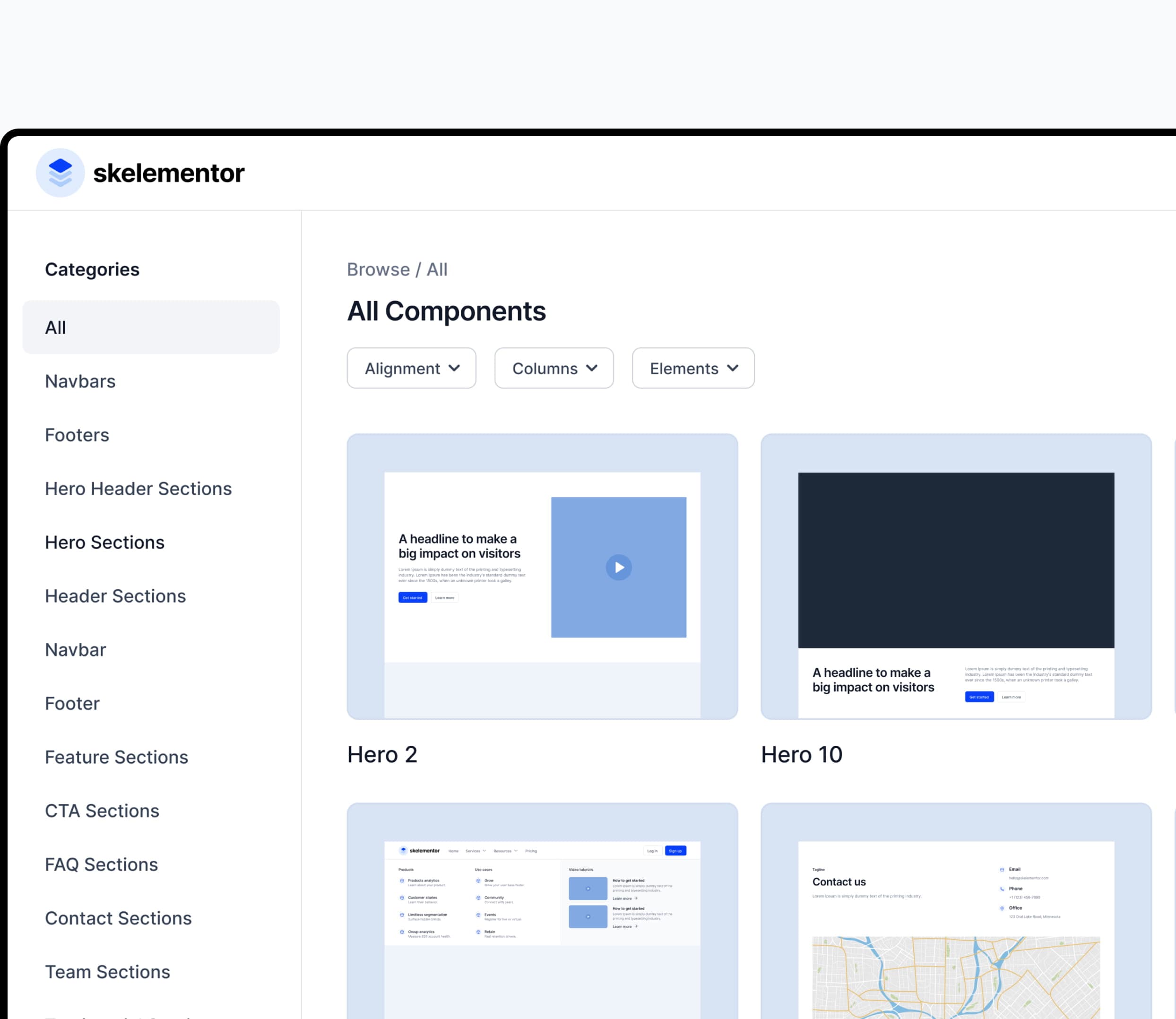
How Cater Studios Went From Weeks to Days Building Custom Ecommerce Websites With Skelementor
Emmanuel Ikenna Okpara on using Skelementor to deliver custom Elementor websites faster while keeping each client's design distinct.
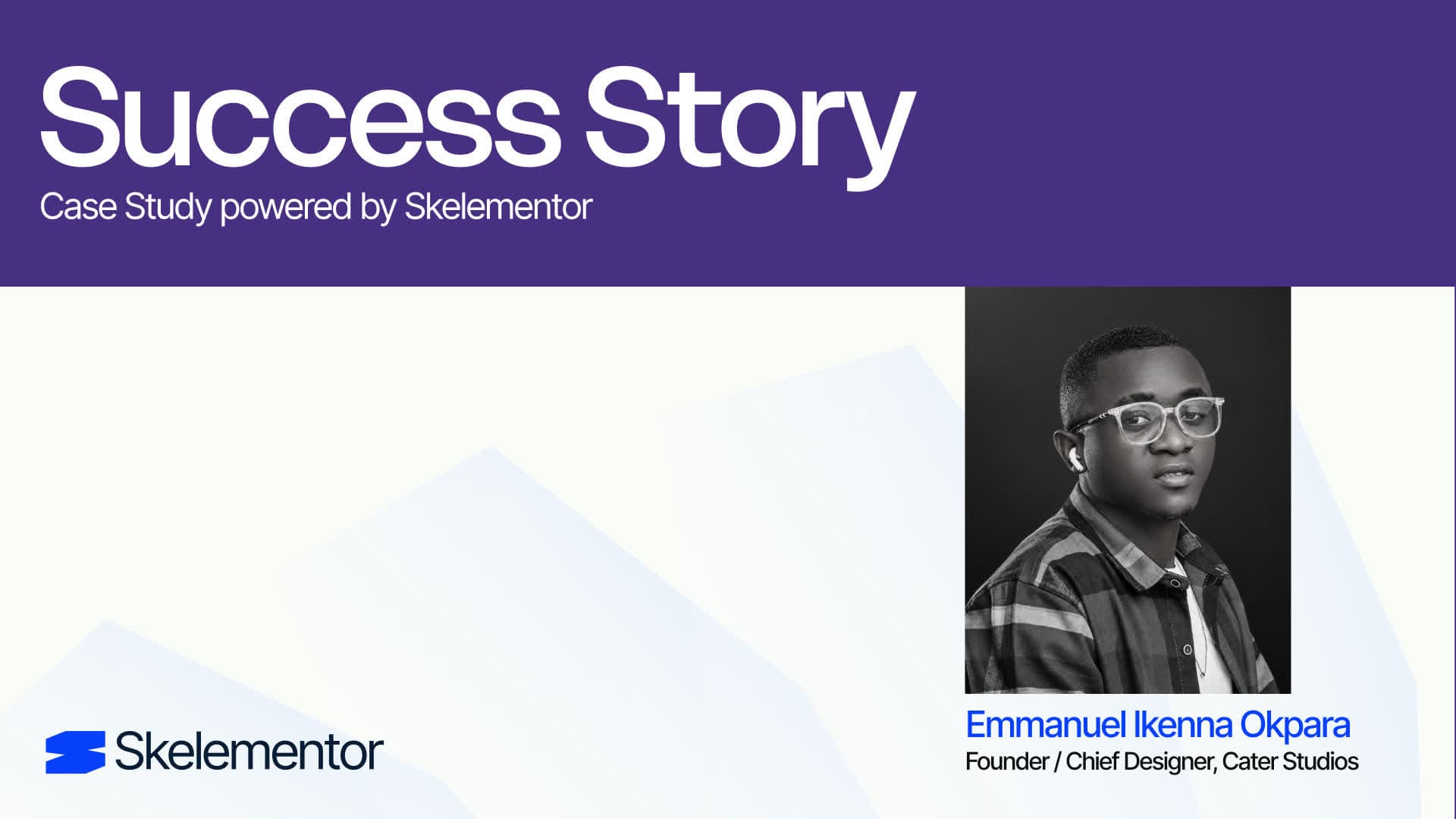
Emmanuel Ikenna Okpara, Founder & Chief Designer at Cater Studios. Meet Emmanuel and explore his work.
Building custom websites for more than a decade
Emmanuel Ikenna Okpara is the founder and chief designer of Cater Studios, a Nigeria-based team that builds websites and digital stores for businesses looking to grow and generate sales online. He has been in business for around 13 years and leads a team of six to ten people.
The studio works across several website-building tools, with a large portion of its projects built in WordPress and Elementor. Its work extends beyond the storefront to branding, SEO, maintenance, and the marketing systems that help customers return.
Speed matters, but Emmanuel also wants every client to receive a website that feels custom. A faster workflow needed to leave room for the design decisions that give each project its own identity.
The problem with rebuilding familiar sections
Almost every website needs familiar sections: FAQs, testimonials, contact forms, calls to action, and product areas. Their purpose may stay similar from project to project, but Cater Studios does not want their appearance to stay the same.
Without a component library, the team faced a recurring choice. It could redesign those sections for each client and spend more time on setup, or reuse earlier work and risk making different websites feel too similar. Rebuilding a familiar section simply to give it a different look took time away from the rest of the project.
Finding flexible starting points through Web Squadron
Emmanuel discovered Skelementor after seeing it featured by Web Squadron. He experimented with the free components before bringing the library more deeply into the studio's workflow.
What stood out was the ability to choose individual building blocks and continue designing from there. A section could supply the structure he needed while leaving its styling, content, and layout open to change. On the next project, he could choose a different component for the same type of section.
That variety gave the studio more starting points for familiar requirements, without making one finished template the default for every client.
“It makes the workflow easier, but not removing that flexibility of a designer.”
Keeping every client website different
Cater Studios builds around each client's requirements. In his profile submission, Emmanuel explains that the studio avoids relying on themes or random templates and invests time in distinctive concepts and details. He sees that commitment to unique work as a reason clients keep coming back.
Skelementor fits into that process because a component is the beginning of the design work. Instead of carrying the same testimonial or FAQ layout from one website to another, the team can select another structure and adapt it to the client's brand.
The saved effort comes from the reusable foundation. The team still makes the visual and functional decisions that turn it into a section for that particular website.
“We can deliver more unique work without wasting time rebuilding reusable sections like contact forms, FAQs, testimonials, and more.”
Starting further along with responsive components
Responsive adjustments are another part of the workflow Emmanuel finds time-consuming. A desktop layout is only one stage of a build; each section also needs to work on tablets and mobile devices.
With Skelementor components already prepared for different screen sizes, the team begins further along in that process. It can spend more of its time adapting the section to the project and checking the finished result across devices.
Across a website with multiple sections, reducing that initial setup adds up to a meaningful difference in delivery time.
From two weeks or a month to three or four days
Before incorporating Skelementor into the workflow, Emmanuel says an ecommerce website could take two weeks, and in some cases up to a month. He now reports completing ecommerce builds in around three to four days.
One recently completed project took roughly two days plus a few additional hours. Emmanuel attributes much of that improvement to starting with existing sections and customizing them instead of constructing every component from scratch.
He estimates that using and customizing these sections makes the work more than five times faster for Cater Studios. That is his assessment of the studio's own workflow; the delivery times reflect his team's projects and experience.
“Right now with Skelementor, I can deliver an e-commerce website in less than four days. Three days, four days, I'm done.”
Import, customize, and refine
Emmanuel emphasizes that the studio continues to customize the components it imports. The productivity gain comes from removing repetitive foundation-building before that work begins.
A project can begin closer to a usable structure, with responsive behavior already in place. The team then changes the styling, content, and layout to suit the client, and refines the result as part of its custom design process.
That keeps the creative work in the team's hands while shortening the path from an idea to a working section in Elementor.
“I don't just import the kit and then use it like that. I import it, I customize it.”
Making room for the next project
Shorter production time also changes the studio's capacity. Emmanuel says Cater Studios is regularly completing around two website projects per week, and sometimes three.
He describes clients receiving completed projects in four or five days where they might previously have waited two weeks or a month. Finishing sooner lets the team move on to the next client and creates room for more work.
For Cater Studios, Skelementor has become part of a repeatable process: choose a suitable component, customize it around the client's brand, check the finished experience, and keep the project moving. The studio can deliver sooner while continuing to make each website its own.
“It was a game changer. It made the whole thing look different.”